Knee Pain

There are many causes for knee pain including trauma, physiological misalignment and overuse. Osteoarthritis is also a common cause of knee pain.

Knee Pain

There are many causes for knee pain including trauma, physiological misalignment and overuse. Osteoarthritis is also a common cause of knee pain.

Understanding Knee Osteoarthritis

Knee Osteoarthritis (OA) pain can develop from several changes happening inside the joint:

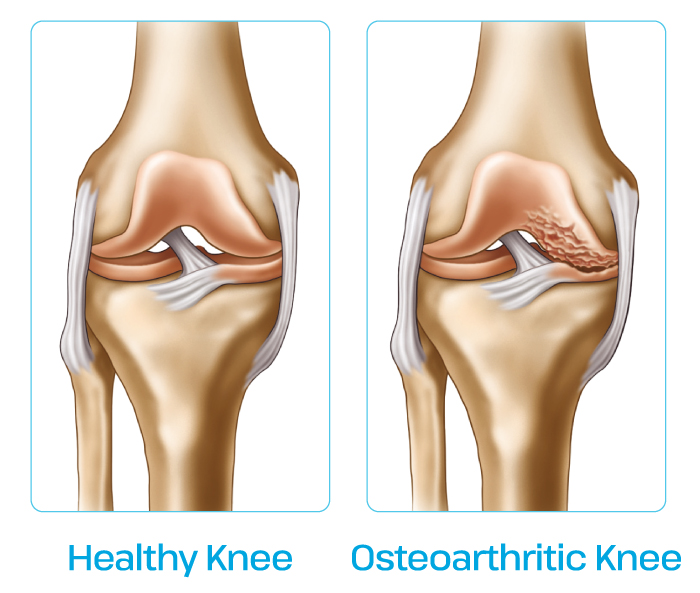
Cartilage Breakdown

As the knee’s protective cartilage wears down over time, movement can become less smooth and more uncomfortable during everyday activities.

Inflammation

Swelling and irritation inside the joint can increase stiffness, tenderness, and sensitivity to pain.

Joint Stress and Instability

Changes within the knee can place added strain on surrounding bones, ligaments, and muscles, affecting stability and mobility.

Healthy cartilage helps cushion the joint and allows the knee to move smoothly and comfortably. As cartilage wears down, the joint can become inflamed and painful, making everyday movement more difficult.

Common Signs of Knee OA

Signs and symptoms of knee OA can vary, but often include:
As the knee’s protective cartilage wears down over
time, movement can become less smooth and more uncomfortable during everyday activities.

  • Pain during walking or activity
  • Stiffness after sitting or resting
  • Swelling around the knee
  • Clicking or grinding sensations
  • Difficulty with stairs or uneven surfaces
  • Reduced mobility during everyday activities

Non-Surgical Solutions

Patients and physicians should discuss treatment options for knee OA. There are several non-surgical treatment options, including:

  • Knee OA bracing
  • Exercise and weight management
  • Topical and oral anti-inflammatory
    medications (NSAIDs)
  • Other therapeutic options

How OA Bracing Helps

By improving joint alignment and unloading the painful area, bracing can help:

Reduce Pain

Helps reduce pressure on painful knee joint surfaces during weight-bearing activity.1, 2
Increase Function

Improved alignment helps patients perform everyday activities more comfortably.1, 2

Support Mobility

Designed to encourage mobility and help patients stay active with knee OA.1, 2
Stability & Support

Supportive bracing may help improve knee stability and confidence throughout the day.2, 3
How OA Bracing Works

Pressure Relief Through Unloading

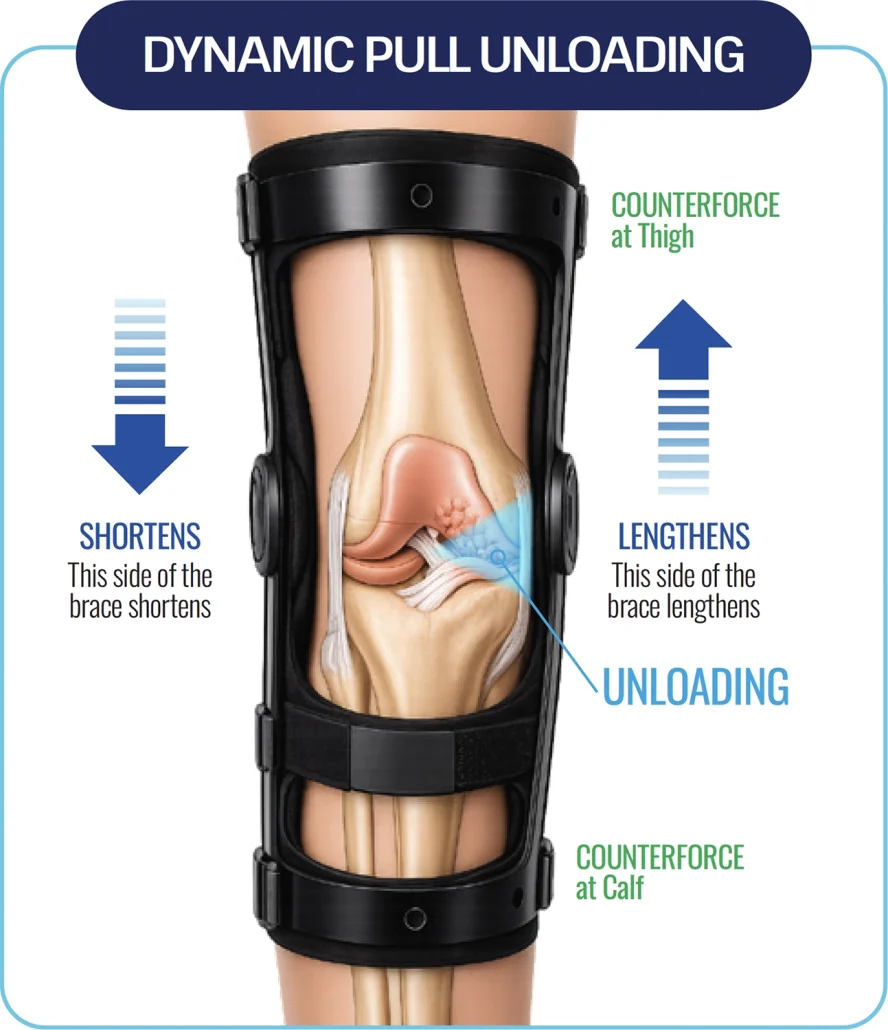
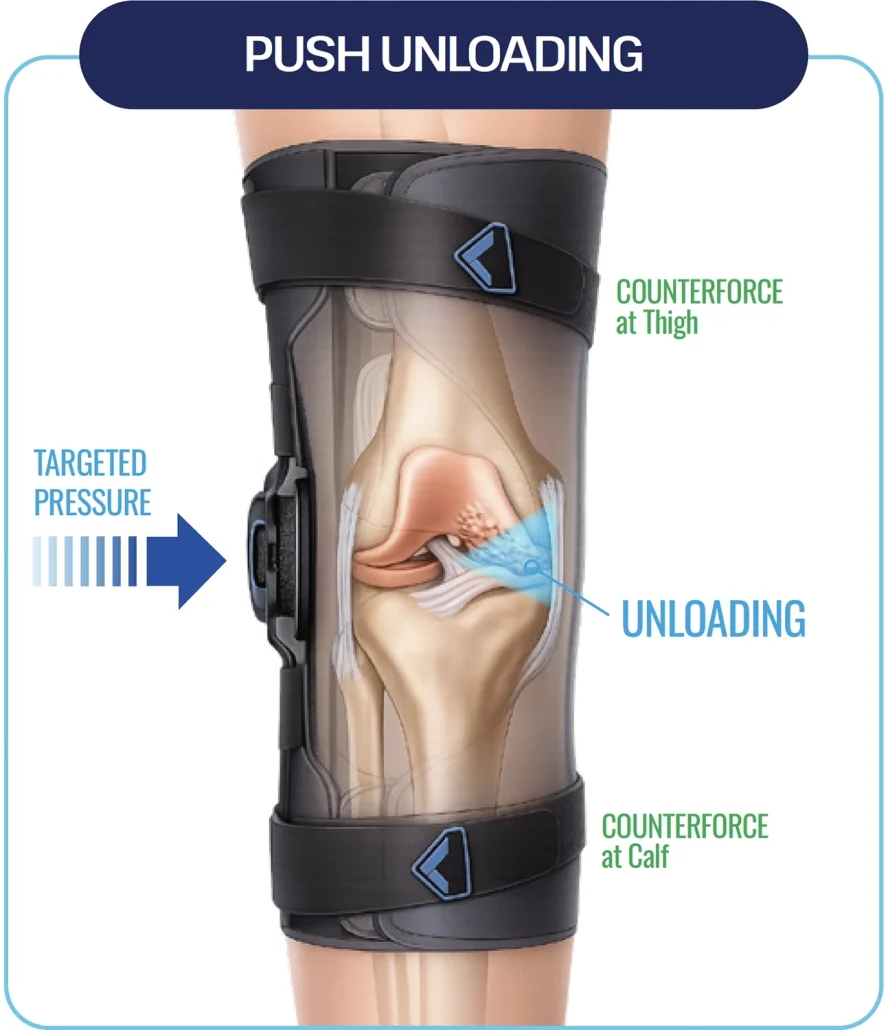
OA braces help reduce pressure on the affected area of the knee by applying corrective force to improve joint alignment and promote more comfortable movement.

Targeted pressure is applied from the opposite side of the knee to help reduce the load on the affected compartment.

The brace lengthens on the affected side of the knee, applying a pulling force that helps unload the painful joint space.

Finding the Right OA Brace

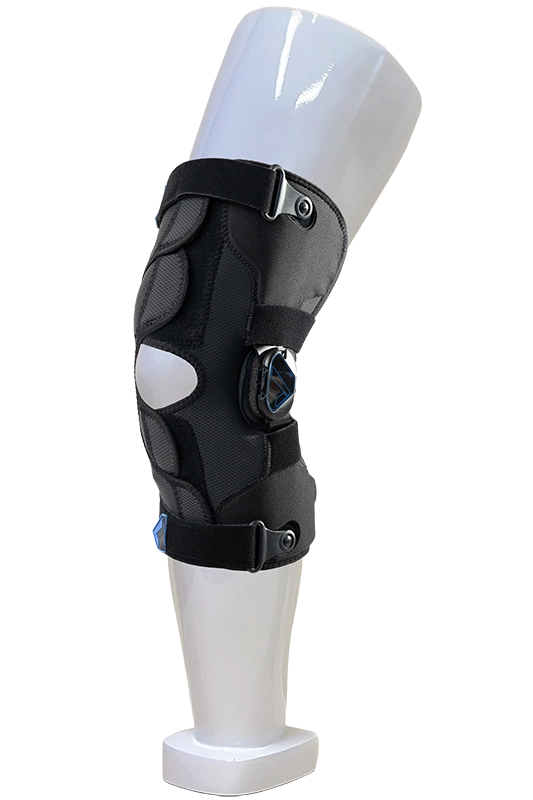
Different OA braces are designed for varying levels of osteoarthritis, activity, and support needs.

Freestyle+TM

Lightweight, low-profile support designed for mild to moderate knee OA and comfortable everyday wear.
Z12® OA

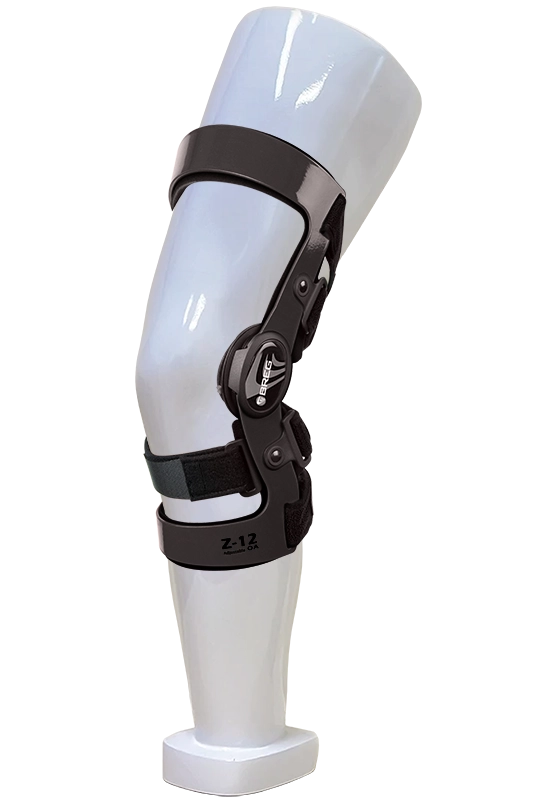
Lightweight support designed for moderate knee OA and added stability during activity.
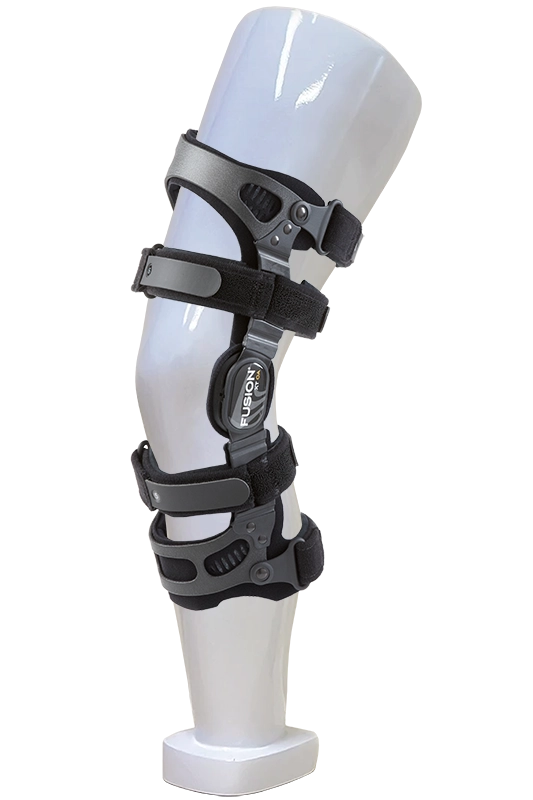
Fusion® OA

Adjustable support patients with moderate to severe knee OA.
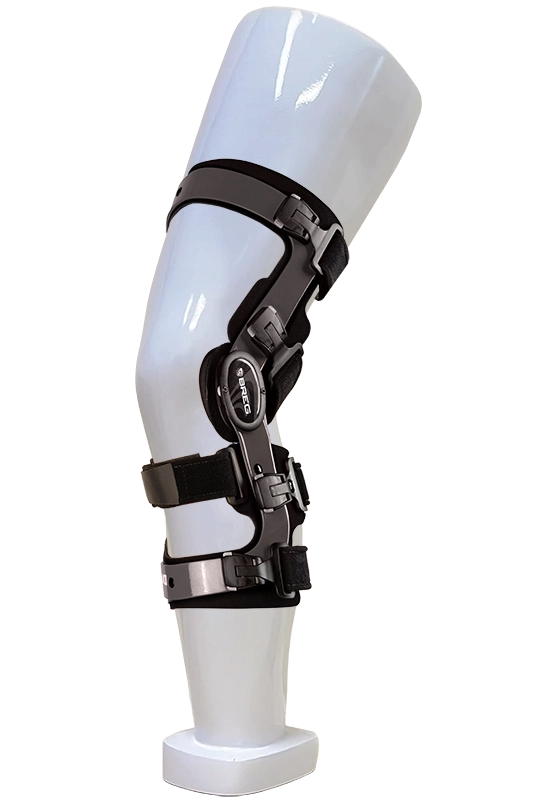
DUOTM

Dynamic unloading support for moderate to severe knee.

References:
  1. Ostrander RV, Leddon CE, Hackel JG, O’Grady CP, Roth CA. Efficacy of Unloader Bracing in Reducing Symptoms of Knee Osteoarthritis. Am J Orthop (Belle Mead NJ). 2016 Jul-Aug;45(5):306-11. PMID: 27552455.
  2. Mistry DA, Chandratreya A, Lee PYF. An Update on Unloading Knee Braces in the Treatment of Unicompartmental Knee Osteoarthritis from the Last 10 Years: A Literature Review. Surg J (N Y). 2018 Jul 2;4(3):e110-e118. doi: 10.1055/s-0038-1661382. PMID: 29978048; PMCID: PMC6028281.
  3. Guo L, Luo Y, Zhou L, et al. Kinematic study of the overall unloading brace for the knee. Heliyon. 2023;9(2):e13116. doi:10.1016/j.heliyon.2023.e13116